
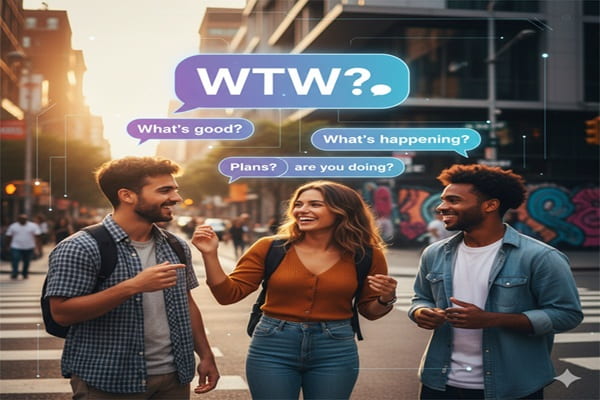
If you’ve ever received a message that just says WTW and felt unsure how to reply, you’re not alone. Text slang keeps changing, and new abbreviations pop up all the time. WTW is one of those short forms that looks simple but can mean slightly different things depending on context.
People search for the meaning of WTW because it’s commonly used in texting, social media, and casual chats. It often appears without any extra words, which can make it confusing if you’re not familiar with it. Understanding what WTW means helps you respond naturally and avoid awkward replies.
In this guide, we’ll explain the WTW meaning in text, how people use it, real examples, common mistakes, and tips so you can use it confidently in everyday conversations.
Contents
- 1 What Does WTW Mean in Text?
- 2 The Basic Meaning of WTW
- 3 Where WTW Is Commonly Used
- 4 WTW Meaning Based on Context
- 5 Is WTW a Question or a Greeting?
- 6 Is WTW Friendly or Serious?
- 7 Examples of WTW in Text Conversations
- 8 How People Use WTW in Real Life
- 9 When You Should Use WTW
- 10 Tips for Using WTW Correctly
- 11 Common Mistakes People Make
- 12 Related Slang Terms Like WTW
- 13 Frequently Asked Questions
- 14 Conclusion
What Does WTW Mean in Text?
WTW most commonly stands for “What’s the word?”
It’s a casual way to ask what’s going on.
People use it to start conversations.
It can also mean asking for plans or updates.
The meaning depends on the situation and tone.
In short, WTW is a friendly check-in rather than a serious question.
The Basic Meaning of WTW
WTW is informal text slang.
It’s used mostly among friends or peers.
The phrase invites a response or update.
It can replace longer messages like “What’s up?”
Most of the time, it’s relaxed and social.
Think of WTW as a digital conversation opener.
Where WTW Is Commonly Used
WTW appears mostly in texting apps.
It’s popular in casual chats and DMs.
You’ll see it on social media platforms.
It’s common in group chats.
It’s rarely used in formal communication.
WTW fits best in laid-back conversations.
WTW Meaning Based on Context
Context changes the meaning slightly.
Sometimes it means “What’s happening?”
Other times it means “Any plans?”
It can also mean “What’s new?”
Tone helps clarify intent.
Reading the situation makes all the difference.
Is WTW a Question or a Greeting?
WTW works as both.
It can be a greeting to start chatting.
It can also ask for specific updates.
Sometimes it’s just a casual ping.
There’s no strict rule.
That flexibility is why it’s popular.
Is WTW Friendly or Serious?
WTW is mostly friendly.
It’s rarely used in serious discussions.
The tone is relaxed and informal.
It signals openness to talk.
It’s not aggressive or demanding.
Most people use it to keep things light.
Examples of WTW in Text Conversations
-
“WTW tonight?”
-
“Hey, WTW?”
-
“WTW after work?”
-
“Long time no talk, WTW?”
-
“WTW this weekend?”
-
“I’m free now, WTW?”
-
“WTW with you these days?”
-
“Group chat is quiet… WTW?”
-
“WTW later today?”
-
“WTW at the party?”
-
“Bored here, WTW?”
-
“WTW on your side?”
-
“WTW if you’re around?”
-
“Just checking in, WTW?”
-
“WTW tomorrow morning?”
-
“We haven’t talked WTW?”
-
“WTW if you’re still up?”
-
“WTW before we head out?”
-
“Hey! WTW lately?”
-
“WTW when you’re done?”
These examples show how flexible and casual WTW is.
How People Use WTW in Real Life
People use WTW to start conversations.
It helps break silence in chats.
It’s used to ask about plans.
It keeps communication relaxed.
It saves time typing longer messages.
WTW is all about convenience and tone.
When You Should Use WTW
Use it with friends or peers.
Use it in casual settings.
It’s great for quick check-ins.
Avoid it in professional messages.
Match the tone of the conversation.
Using it naturally makes replies easier.
Tips for Using WTW Correctly
Check who you’re texting first.
Make sure the chat is informal.
Respond with context, not just one word.
Don’t overuse it in every message.
Pair it with friendliness if needed.
Simple awareness avoids confusion.
Common Mistakes People Make
Thinking WTW has only one meaning.
Using it in professional emails.
Assuming it’s rude or lazy.
Replying without context.
Overthinking a casual message.
Remember, it’s meant to be easygoing.
Also Read : Ginkgo Meaning in Slang: What It Really Means Online Today
Related Slang Terms Like WTW
“What’s up” is very similar.
“WYD” asks what someone is doing.
“HMU” invites contact.
“Sup” works as a greeting.
“All rely on casual context.”
WTW fits into modern texting culture.
Frequently Asked Questions
What does WTW stand for in text?
It usually means “What’s the word?”
Is WTW the same as “What’s up?”
Yes, in many situations it is.
Is WTW rude?
No, it’s casual and friendly.
Can WTW mean something else?
Rarely, but context always matters.
Should I reply formally to WTW?
No, keep your reply casual.
Conclusion
The WTW meaning in text is simple once you understand the context. Most of the time, it stands for “What’s the word?” and works as a casual way to ask what’s going on or what the plans are. It’s friendly, informal, and widely used in everyday conversations.
If you see WTW in a message, don’t stress about it. Treat it like a relaxed greeting or check-in, respond naturally, and keep the conversation flowing. Knowing small slang terms like this makes texting easier, smoother, and more enjoyable.