
Ever picked up a beautifully finished piece of furniture and wondered, “How does this thing still look so good after all that coffee spill abuse?” Or stared at a car dashboard that’s somehow still shiny despite years in the sun? Chances are something like uvlack had something to do with it.
We’re talking about a coating technology that cures in seconds, protects surfaces like a bodyguard on duty, and looks ridiculously good doing it. Whether you’re into design, manufacturing, or just curious about what keeps modern finishes looking fresh, uvlack is worth knowing about.
Let’s get a bit nerdy but in a chill way, like we’re at a coffee table talking shop.
Contents
- 1 What Is uvlack? (No Jargon, Just Sense)
- 2 Why UV Curing Is a Big Deal
- 3 Where uvlack Is Actually Used
- 4 What Makes uvlack Stand Out (Really)
- 5 UVlack vs. Traditional Coatings: A Quick Comparison
- 6 A Few Things to Think About Before Using uvlack
- 7 Real Life Examples Because Stories Beat Theory
- 8 Care & Maintenance for uvlack Surfaces
- 9 The Future of uvlack And It’s Pretty Cool
- 10 Final Thoughts: Why uvlack Matters
What Is uvlack? (No Jargon, Just Sense)
Imagine a lacquer that doesn’t wait hours to dry, doesn’t stink up the place with chemicals, and turns into a tough protective finish almost instantly. That’s uvlack in action. Basically, it’s a UV‑cured coating a lacquer that hardens when hit with ultraviolet light rather than air or heat. It forms a durable layer that protects and beautifies surfaces.
Key idea:
Liquid goes on.
UV light hits it.
Seconds later? Solid, shiny, tough finish.
That speed makes a huge difference compared to old-school paints or varnishes.
Why UV Curing Is a Big Deal
Have you ever painted something and paced around waiting for it to dry? Ugh, right?
With uvlack, that wait vanishes. Traditional coatings dry by evaporating solvents or baking in heat, which takes time, energy, and space. uvlack uses a chemical reaction called photopolymerization fancy talk for “UV light triggers this stuff to harden instantly.”
That means:
-
Instant cure (seconds, not hours)
-
Lower energy use (no heat ovens)
-
Less VOC pollution (better for workers and the planet)
It’s basically the espresso version of coatings quick and effective.
Where uvlack Is Actually Used
1. Furniture & Wood Finishes
Furniture makers love uvlack. It brings out wood grains and rich tones while protecting against scratches, stains, and everyday wear.
Here’s why:
-
Superfast production because it dries so quickly.
-
High durability against spills and bumps.
-
Glossy or matte options depending on the vibe you want.
Seeing a table with a flawless finish right off the line is kind of mesmerizing.
2. Automotive Interior & Exterior
Cars face a rough life: heat, sun, cleaning chemicals, random keys in pockets… the list goes on. uvlack helps protect dashboards, trims, and even exterior parts from fading and scratches.
Best part? Manufacturers can keep assembly lines moving fast without waiting around for parts to dry.
3. Electronics & Gadgets
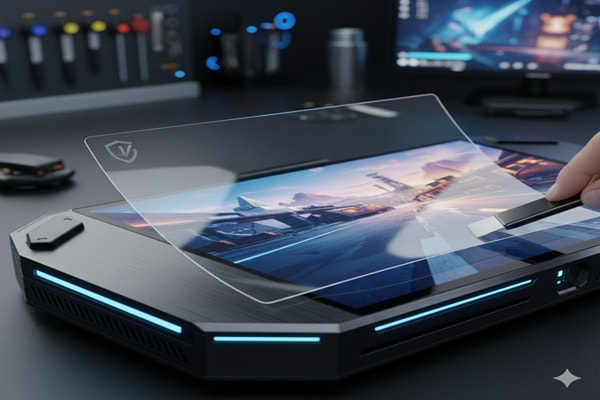
Your shiny laptop cover, smartphone back, or wearable device might be uvlack-protected. It keeps surfaces resistant to fingerprints, scratches, and dulling very handy when you’re paying for premium tech.
No one likes a scratched device, right?
4. Packaging & Print Finishes
Ever notice how some business cards or luxury product boxes pop in person? A uvlack finish can make colors brighter and give a rich gloss or matte effect that feels super premium.
Spot UV is a common technique just coating parts of the print to make them stand out.
5. Architectural & Industrial Uses
From decorative panels to tougher industrial parts, uvlack works on wood, metal, plastics, and even composites. That makes it valuable for construction, aerospace interiors, and more.
What Makes uvlack Stand Out (Really)
Let’s be honest: coatings are rarely exciting until you realize how much difference the right coating makes. Here’s why uvlack gets people talking:
Super Fast
It cures in seconds under a UV lamp instead of waiting for hours to dry.
Strong Protection
Uvlack creates a tight, cross-linked polymer layer that resists:
-
Scratches
-
Chemicals
-
UV fading
-
Moisture damage
That’s a big deal for surfaces that get daily use.
Eco-Friendly
Many uvlack systems have low or zero volatile organic compounds (VOCs), which means fewer toxic fumes compared to old coatings.
Plus, because you don’t need heat to cure, you use less energy overall.
Looks Good, Too
Whether you want glossy shine or subtle matte, uvlack delivers.
This isn’t just protection it’s aesthetic enhancement.
UVlack vs. Traditional Coatings: A Quick Comparison
| Feature | uvlack | Traditional Coatings |
|---|---|---|
| Drying Time | Seconds under UV light | Hours or days |
| VOC Emissions | Low/none | Often high |
| Energy Use | Low | Higher (heat required) |
| Durability | Very strong | Variable |
| Finish Options | Glossy, matte, satin | Depends |
| Production Speed | Excellent | Average |
It’s like comparing a sports car to a bicycle. Both get you places but one does it way faster and with style.
Also Read : Qiser: The Smart Framework That’s Changing How We Think and Work
A Few Things to Think About Before Using uvlack
Equipment Costs
You need the right UV curing setup (lamps, safety gear, etc.), which can be an initial investment.
Shadows & Surface Geometry
If parts have weird shapes or deep recesses, UV exposure to every nook can be tricky. That might affect full curing.
Application Precision
Getting an even coat and the right UV exposure dose matters. Too little cure = tacky finish. Too much = brittleness. Balance is key.
These are more technical challenges than deal-breakers.
Real Life Examples Because Stories Beat Theory
Furniture Maker Success
A workshop switched from traditional varnish to uvlack. Production time dropped 30% because parts cured instantly. Scratch complaints went way down, and customers loved how pieces kept looking new longer.
Automotive Trim Glow-Up
An automotive parts supplier used uvlack on interior plastic trim. The result? Longer-lasting gloss, better abrasion resistance, and lower energy use.
Premium Gadget Cases
An electronics producer applied uvlack to device enclosures. The finish was sleek, smudge-resistant, and consistent across models. Plus, UV lamps on the line sped up production.
Care & Maintenance for uvlack Surfaces
Once uvlack is properly cured, it’s sturdy but a little TLC goes a long way:
Clean gently with mild soap and soft cloth.
Avoid harsh solvents that might wear the finish.
Use protective pads under heavy or rough objects.
For tiny scratches, light touch-ups with compatible coatings work wonders.
It’s much easier than maintaining traditional finishes.
The Future of uvlack And It’s Pretty Cool
Smart & Nano-Enhanced Coatings
Next-gen uvlack formulas are adding nanoparticles for self-cleaning or antimicrobial properties. Surfaces might soon heal minor scratches on their own.
LED UV Curing Systems
UV LEDs are becoming more common they use less heat, last longer, and make curing even more efficient.
Adaptive & Functional Layers
Imagine coatings that change texture or reflectivity based on heat or light. Researchers are exploring that too.
The future isn’t just about protection it’s about interaction.
Final Thoughts: Why uvlack Matters
Here’s the TL;DR you’d tell a friend:
Uvlack is a modern UV-cured coating that protects surfaces faster, stronger, and cleaner than many traditional finishes. It’s versatile, eco-friendlier, visually appealing, and increasingly essential in industries from furniture to cars to tech gadgets.
So, next time you admire a glossy finish that still looks perfect after years of use, chances are uvlack (or something like it) is behind the magic.
Want to explore how uvlack could improve your next project or just geek out over futuristic materials? It’s worth diving in.